


Echeveria Magenta: Intense Purple
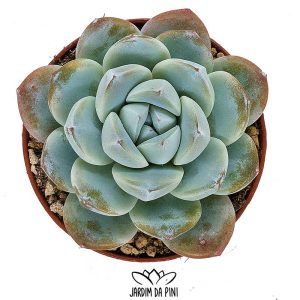
The Echeveria Magenta with its vibrant, intense color and compact, fleshy rosettes displays a deep, luminous magenta tone, which can vary between vibrant pink and a reddish purple, intensifying even more in suitable sunlight and with changes in temperature.
Features:
- Leaves: Fleshy, slightly spatulate and arranged in dense, symmetrical rosettes, resembling a sculpted flower.
- Color: Its main highlight is the intense, deep magenta that covers the entire leaf. The shade can vary with exposure to sunlight, becoming more vibrant and darker in full sun.
- Growth: Slow to moderate, maintaining the compact shape and density of the rosette. Can produce offsets (seedlings) at the base over time, forming small clusters.
- Flowering: Produces thin flower stalks with small pink or orange flowers that appear above the rosette, complementing the color of the foliage.
Care:
- Light: For Echeveria Magenta to reveal its most intense color, it needs direct, bright sunlight for several hours a day. In places with little light, the color may fade to a paler green and the rosette may elongate (stiolation).
- Watering: Water moderately, allowing the substrate to dry out completely between waterings. It is crucial to avoid excess water and stagnant moisture, which are the main causes of rot in succulents.
- Substrate: Use a specific substrate for succulents and cacti that guarantees excellent drainage. A mixture of coarse sand, perlite or pumice is ideal to prevent waterlogging.
- Temperature: Adapts well to mild temperatures (15-28°C). Protect it from severe frosts in winter and from extreme, prolonged heat without adequate ventilation.
Where to grow:
- Pots: Perfect for growing in decorative pots, where its vibrant color and sculptural shape can be appreciated as a focal point in any room, whether on a windowsill or a well-lit desk.
- Succulent arrangements: Add a touch of dramatic color and contrast to any mixed succulent arrangement by combining it with lighter tones or green foliage.
- Rock gardens: In mild climates, it can be integrated into well-drained rock gardens, where its color stands out against the background of stones.



Reviews
There are no reviews yet.